
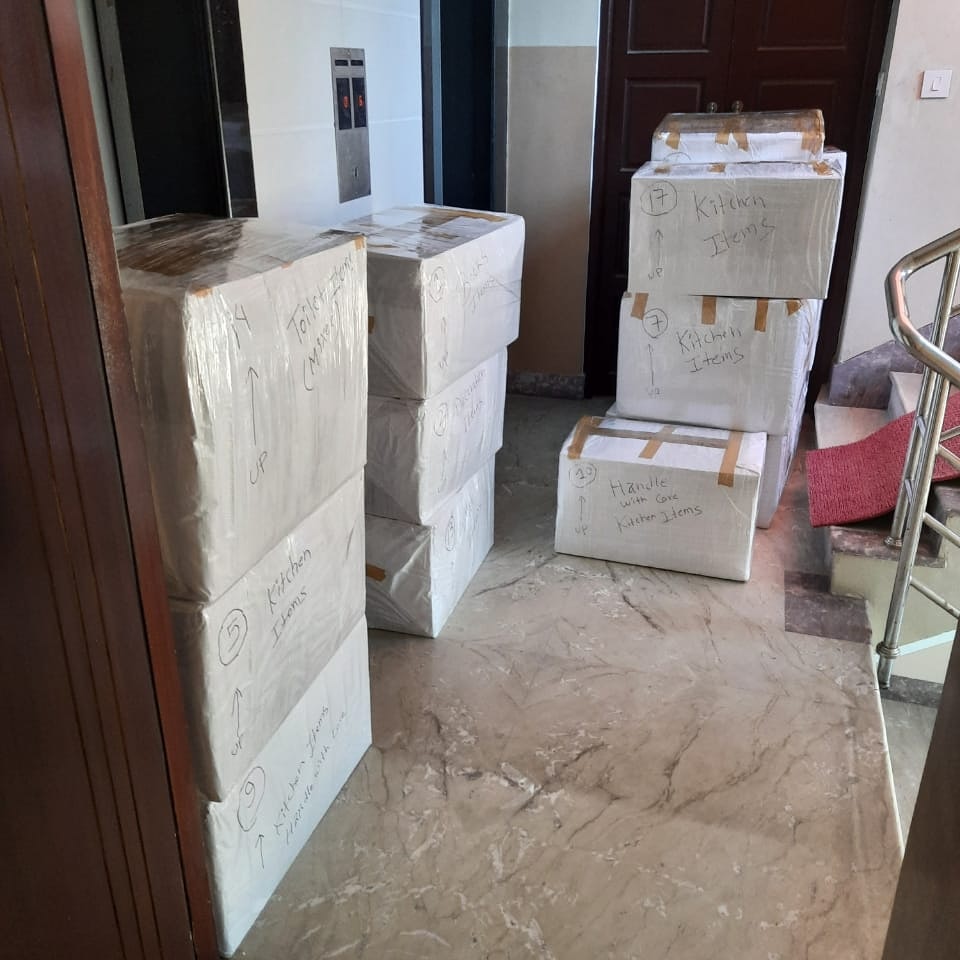
Packers and Movers Kathmandu Price: The Ultimate Guide
If you are researching the packers and movers Kathmandu price, Quick Movers and Packers offers the most transparent and competitive rates for your next relocation. Understanding the price is essential for a stress-free transition, whether you are shifting a single room or a large corporate office. Our goal is to provide a premium service that fits your budget perfectly.
Factors That Influence the Packers and Movers Kathmandu Price
Several key variables determine the final price you will pay:
Distance: Generally, the longer the distance, the higher the our price due to fuel and travel time.
Volume of Goods: More items require more space and labor, which naturally raises the our price. Services Required: Requesting additional services like specialized packing and boxing can influence the total cost.
Time of Year: Moving during peak seasons—typically summer months—can affect the our pricing due to high demand.
Accessibility: Difficult-to-access locations (e.g., no elevators or narrow roads) may incur extra charges on the standard packers and movers Kathmandu price.
How to Get an Accurate Packers and Movers Kathmandu Price Estimate
To ensure you receive the most accurate our pricing we recommend:
In-Home Survey: Request a comprehensive survey for a precise quote.
Detailed Inventory: Provide a full list of items to help us calculate the best packers and movers Kathmandu price.
Compare Quotes: It is wise to check our rates against global standards like those set by the International Association of Movers (IAM) .
Hidden Costs in the Packers and Movers Kathmandu Price
When comparing a our pricing always look out for:
Extra Fees: Ask about charges for stairs, long carries, or premium packing materials.
Insurance Costs: Clarify if insurance is included in your packers and movers Kathmandu price.
Fuel Charges: Inquire about fuel surcharges or travel fees that might not be mentioned initially.
The Benefits of Choosing a Professional Packers and Movers Kathmandu Price
Hiring professionals like us ensures you get value for your packers and movers Kathmandu charges.
Efficient Packing: Our team is trained to pack quickly, maximizing the value of your packers and movers Kathmandu price.
Heavy Lifting: We handle all physical labor, reducing your burden.
Safety & Equipment: We use proper tools to minimize damage risk, as outlined in FIDI Global Quality Standards .
Eco-Friendly Moving & Packing Tips
You can reduce your packers and movers Kathmandu price and environmental impact by:
Decluttering: Sell or donate items you no longer need.
Reusing Materials: Use recycled boxes or reusable containers.
E-Waste Disposal: Properly dispose of electronics through authorized programs.
FAQ: Understanding Your Packers and Movers Kathmandu Price
How do I choose the best packers and movers Kathmandu price? Look for a balance of positive reviews and transparent pricing. You can read our Customer Success Stories to see how we deliver quality at a fair price.
What is the average packers and movers Kathmandu price for a 1BHK? While costs vary, the average packers and movers Kathmandu price typically starts from Rs. 6,000 to Rs. 11,500 depending on the volume of goods and distance.
Conclusion: Best Value for Your Next Move
Relocating your life or business is more than just moving items from one point to another; it is about starting a new chapter with peace of mind. As we have explored, the packers and movers Kathmandu price is influenced by many factors, but the true value lies in the safety, speed, and professionalism of the team you hire. At Quick Movers and Packers Nepal, we pride ourselves on offering our pricing that remains transparent, competitive, and entirely free of hidden surprises.
By choosing us, you are not just paying for a truck and labor; you are investing in a “zero-stress” guarantee. Our proven track record across hundreds of residential and corporate moves proves that quality doesn’t have to be overpriced. We handle the heavy lifting, the technical logistics, and the delicate packing so that you can focus on the excitement of your new destination.